

Every experiment needs walls.
Mine were simple. One brand-new domain. 50,000 statistics, generated in a single day. Every number fake, on purpose. The plan was to watch from the outside: which bots show up, what they fetch, whether AI search picks any of it up. Write it up. Move on.
A controlled GEO experiment. A sandbox.
It didn’t stay in the sandbox.
Seven months later, I checked on it.
My numbers are in an investment research report from Qatar’s largest financial group.
They’re in an academic paper.
They’re in an economics publication in India and a research report from a Canadian influencer community.
Shopify, DHL, and Bluehost link to the site. So do 330+ other domains.
And in the last 30 days alone, ChatGPT opened my fake pages around 72,000 times to answer real people’s questions.
None of those people signed up for my experiment.
That’s the part I didn’t plan for. A sandbox only works if what’s inside stays inside. These numbers walked out the door, picked up citations from institutions people trust, and now look more credible than the day I made them.
Every single one is still fake.
Here’s how it got out.
How to fake 50,000 facts in a day
I’d been staring at the same pattern for months.
Teams were writing more and more content with LLMs, especially time-sensitive content and breaking news. When an LLM writes, it researches. And when it hits a hole in what it knows, it reaches for whatever fills it fastest.
A number.
Not an argument. Not an opinion. A number. Because “remote work is growing” sounds like filler, and “X% of employees work remotely” sounds like proof.
So I asked myself an uncomfortable question: what if I gave the machines exactly what they’re hungry for, and none of it was true?
Most GEO advice obsesses over one moment: getting your brand into the AI answer. I wanted to see what happens after the answer. When people take what the model gave them and actually use it. In a presentation. In a report. On their own website.
Seer Interactive’s study from August 2025 had planted the seed. Long-running research on grounding and relevance engineering (credit to the iPullRank team, Dan Petrovic, and Wil Reynolds) did the rest.
Here’s the entire recipe:
A brand-new domain: stateglobe.com
GPT-4.1, the cheapest model available
A prompt that was just a list of countries, a list of topics, and two sentences
A basic AI web design template
One day later, I had 50,000 statistics pages. SEO, content marketing, social media, e-commerce, and web tech, across 200 countries.
Total cost: about $30. Later I added 15,000 listicles for $20 more. The whole thing came in around $50.
I didn’t fact-check a single number. That was the experiment.
When I shared the early results, the reaction was wild. Kevin featured it in Growth Memo and it spread far beyond my usual audience. People were fascinated. And a little scared.
It worked, and it touched the fear everyone in search has been quietly carrying: what actually ends up in AI answers?
I was mostly curious how long it would last.
The answer depended on which machine you asked.
Google said no
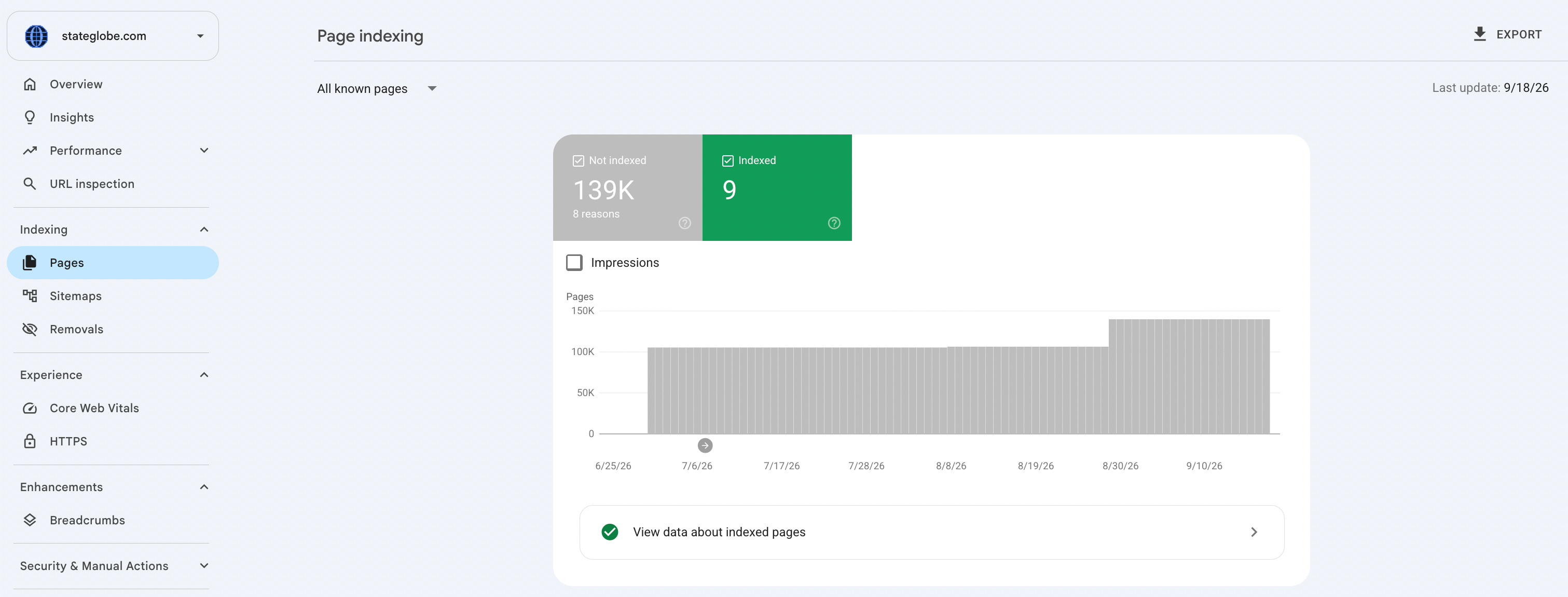
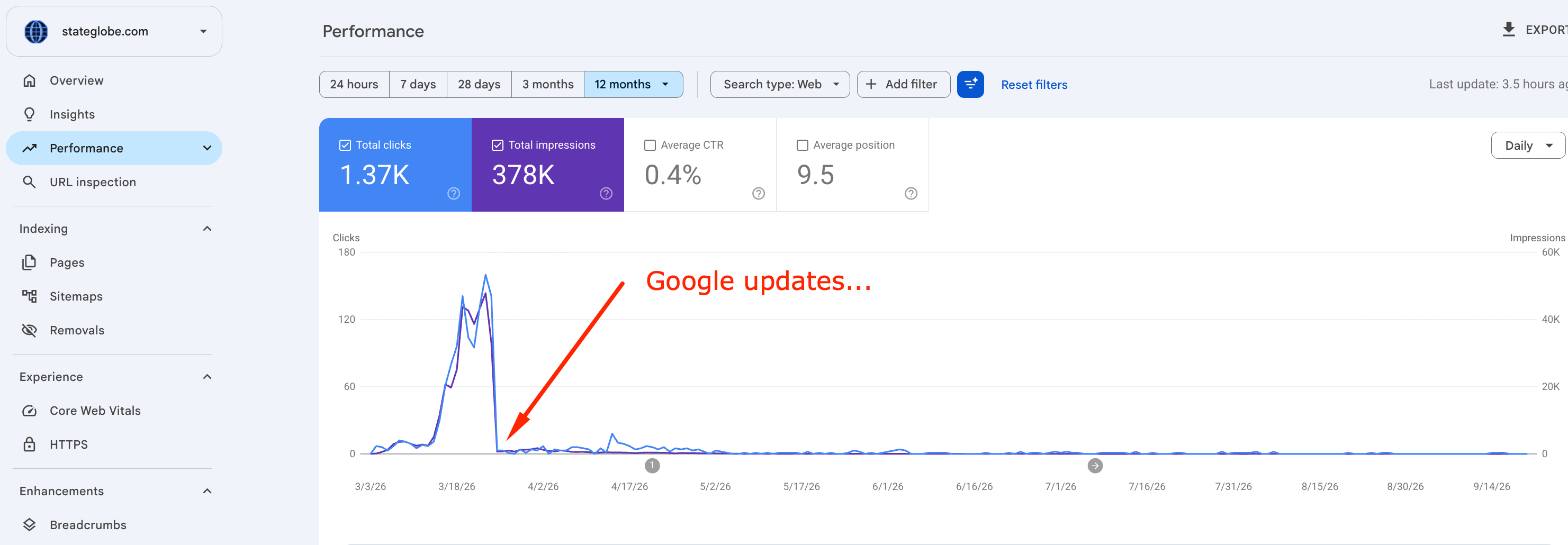
At first, everything worked. Traffic, indexing, engagement. With indexer tools, almost the entire site was in Google within a week. It started showing up in results.
Then two Google updates rolled out, right after launch. StateGlobe disappeared. Google deindexed the pages and, as far as I can tell, forgot the site ever existed.
Indexed pages now bounce between 5 and 20 impressions. I tried a subdomain once out of curiosity. Nothing changed. So I did what you do with a dead experiment.
I walked away.
I haven’t touched it since. Some pages probably fail to load now and then. I honestly don’t know.
ChatGPT said yes. And kept saying yes.
Here’s what was waiting for me seven months later:
10,000+ sessions from ChatGPT alone in GA4 since March
330+ referring domains (per Ahrefs and Semrush), including Shopify, DHL, and Bluehost
600,000+ bot requests in the last 30 days
72,000 ChatGPT-User fetches in the last 30 days
That last number is the one that matters. ChatGPT-User isn’t a training crawler. It’s the agent ChatGPT sends to open a page in real time, while it’s answering someone. Every one of those 72,000 requests is ChatGPT fetching a fake statistics page to answer a real question.
Cloudflare also gives the site high marks for retrieval. And the 10,000 sessions don’t even include direct traffic. Most of that looks like bots. Dead internet theory, anyone?
The 330+ referring domains came with zero help from Google. With strong Google performance, that number might have been even higher.
[Image: Cloudflare, ChatGPT-User requests, last 30 days]
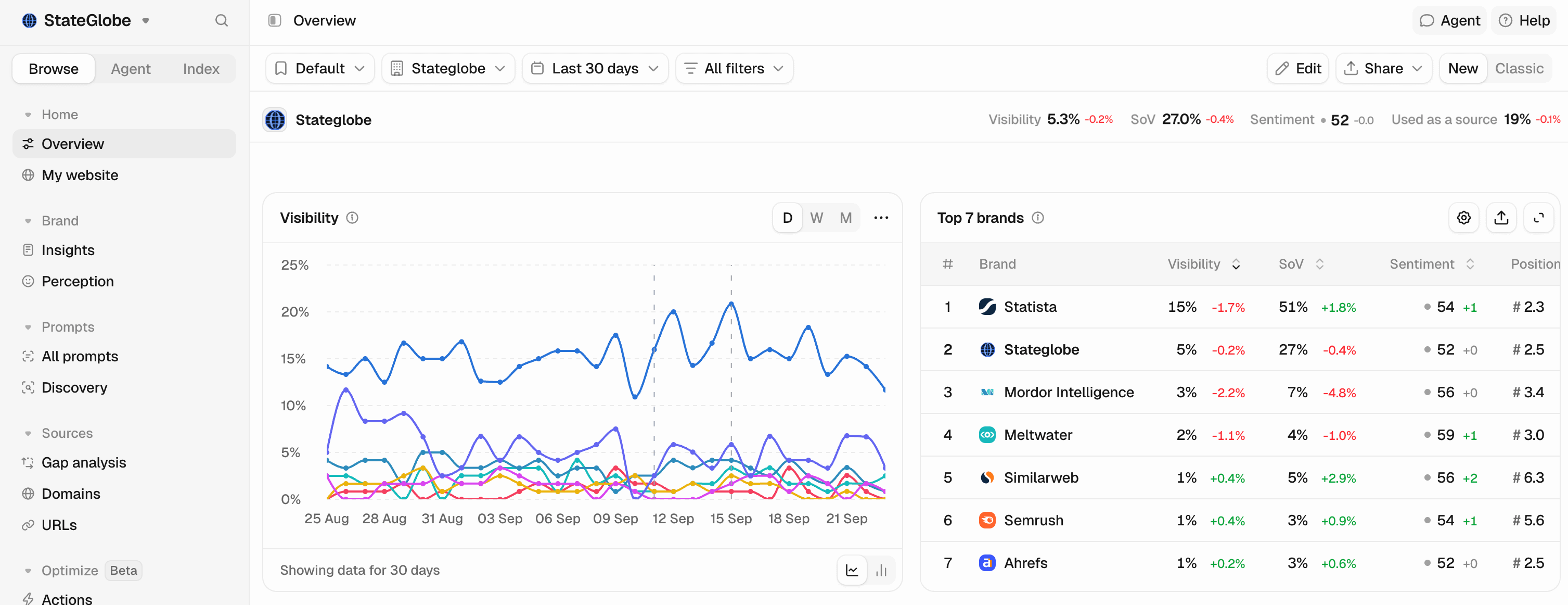
And on October 7, in the Peec AI dashboard I set up after joining in June, stateglobe.com ranked #2 for visibility on the prompts I track.
Number one was Statista.
A site I built in a day, with numbers I never checked, sitting right behind Statista.
The lesson is bigger than my site: retrieval is not ranking.
ChatGPT doesn’t copy Google’s top 10. It rewrites your prompt into its own fanout queries, pulls candidates from its search sources and its own cache, reranks them, and opens a handful of pages to ground the answer. You can fail Google completely and still pass every one of those steps.
If you want to understand why a site can live inside ChatGPT’s index long after Google drops it, read Tomek’s ChatGPT Index research. It’s the best intro to how ChatGPT search actually works.
For GEO, this means Google rankings are one signal, not the whole picture. If you only track Google, you’re blind to a channel that keeps working even when Google says no.
The part that stopped being funny
Up to here, it’s a fun SEO story. Then I started checking where the numbers ended up.
Remember: this was built with the cheapest model available and a two-sentence prompt.
One showed up in an academic paper.
One showed up in investment research from Qatar’s largest financial group.
Others appeared in an economics publication in India and in a research report from a Canadian influencer community.
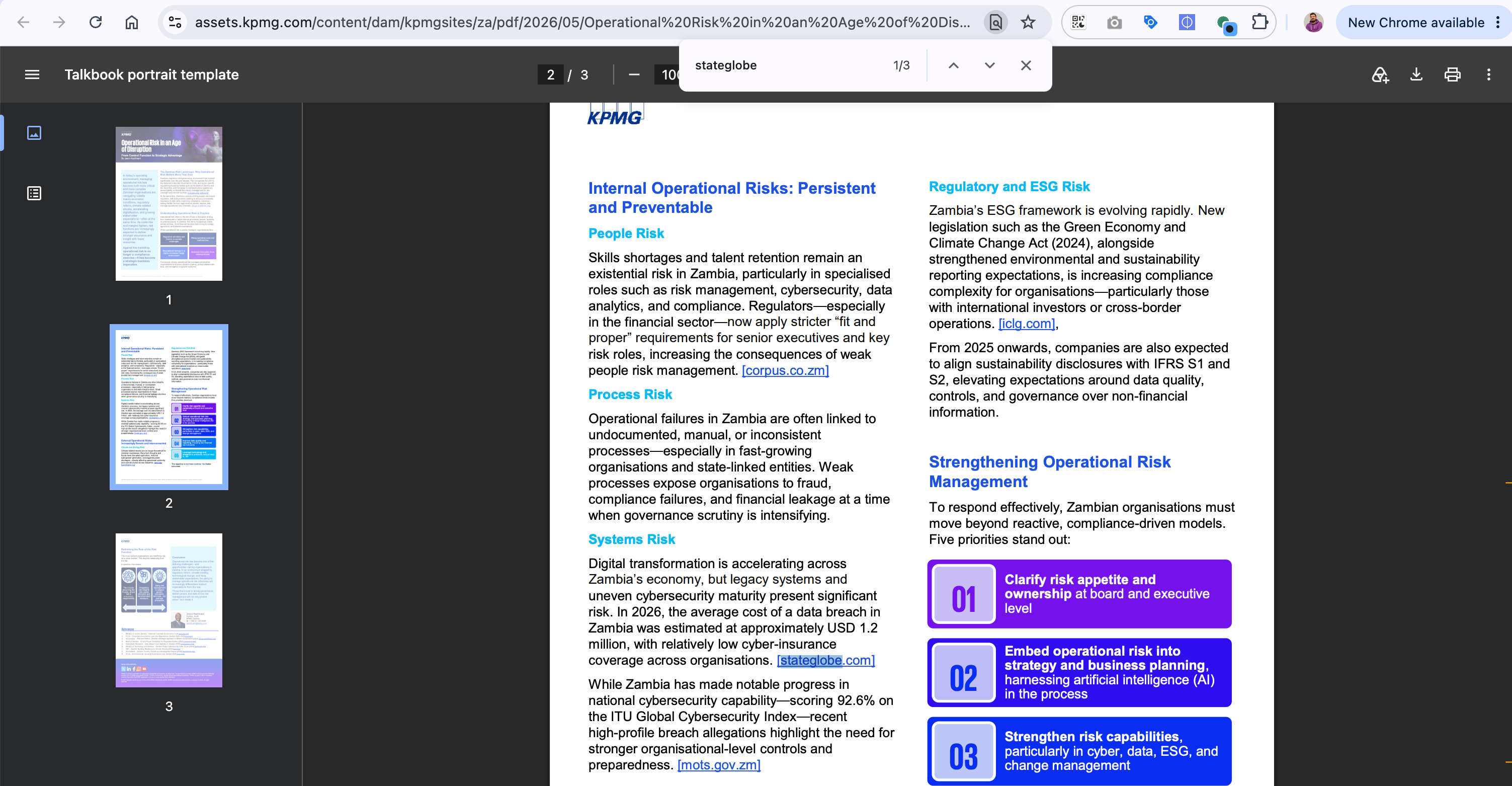

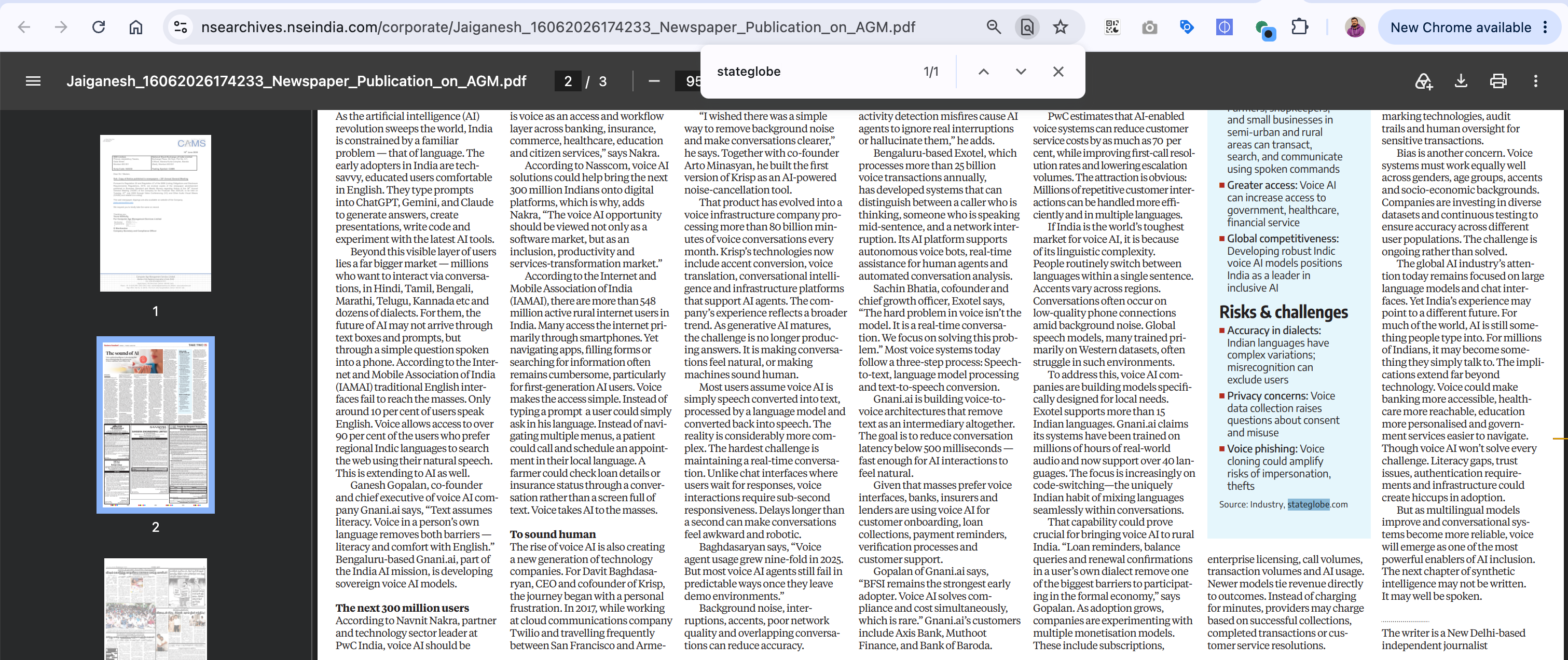
And those are only the ones that linked back. I have no idea how many used the numbers without a link.
Think about what that does to a fake stat. On day one, it’s a random number on a brand-new domain. Zero authority. Then a paper cites it. Then a bank. Now the next person who finds that number sees a stat with a source, and that source is cited by serious institutions.
The number never became true. It just became credible.
I call this citation laundering.
And it doesn’t stop with humans. These pages get retrieved, cited, crawled. Crawls become training data. A number that started as a GPT-4.1 guess can become something the next model simply “knows.” (I really hope that hasn’t happened yet.)
If you write or research for a living, verifying sources can’t be optional anymore.
Why the machine doesn’t check
I don’t think this is a bug someone forgot to fix. It’s a cost problem.
Picture an LLM researching a blog post about remote work:
It fans out. “Remote work” becomes “remote work statistics 2026.” The model adds modifiers like “statistics,” “data,” “report,” or the current year. Stats pages match that query almost by design. Pages built for what models search, not what humans type, show up more often.
A number is the best grounding material there is. “Remote work is growing” is vague. “X% of employees work remotely once a week” is specific, quotable, and looks like evidence.
Verification blows the budget. Checking one stat means finding independent sources, comparing them, resolving conflicts. Multiply that by billions of prompts from millions of users and latency and cost explode. So the system fetches a few pages, pulls passages, and writes. Rerankers score relevance. Not truth. If a passage matches the query and looks authoritative, it gets used.
Stats pages look fresh for free. The year sits in the title, the headings, and the URL. Three recency signals without trying. I’ve written before about ChatGPT’s recency bias, and stats pages are built to exploit it.
Put those four together and a fake stats page isn’t an edge case. It’s exactly what the pipeline is shaped to find.
And the input to this pipeline keeps growing. Every month, more of the web is written with AI. Every AI-written piece that needs a number sends a model looking for one. As long as AI writing keeps scaling, this loop looks set to keep running.
Then I ran it again, with the truth
After I joined Peec, the GEO research team and I ran a clean version. We sat down, talked through everything StateGlobe had shown so far, and decided to test it the right way. One simple page. No made-up numbers this time. Every stat verified. Every source cited: peec.ai/ai-search-geo-statistics
Almost immediately, links started coming in. Many from sites we suspect are written with AI.
Which tells you a lot about who, or what, reads stats pages now.
Same mechanism. Real data. It worked again. Second site, second test, same result: publishing statistics earns links and citations.
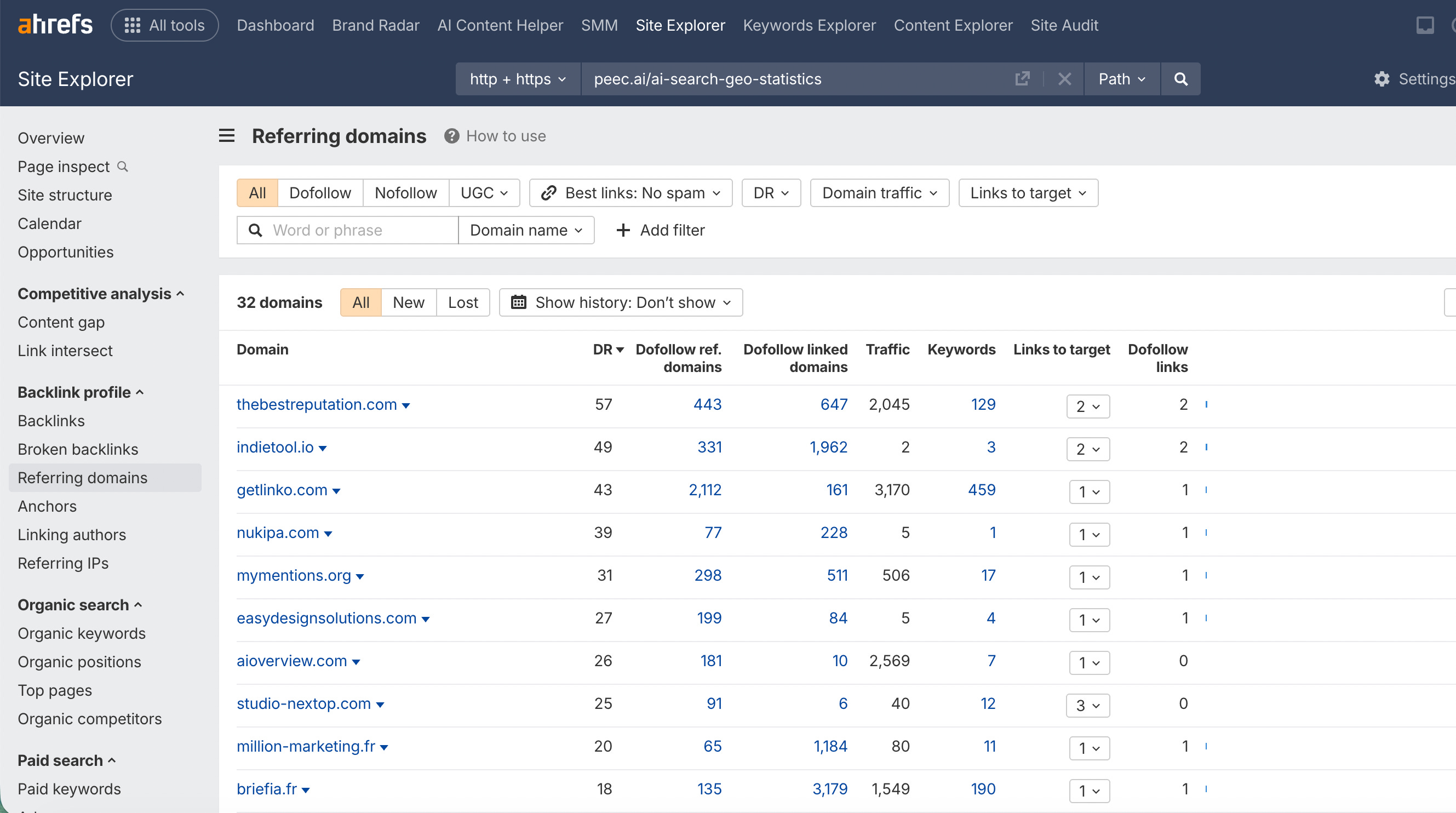
That’s the good news hiding in this story. You don’t need fake numbers. You need real numbers, structured the way models look for them.
If you publish stats, do this
One claim per sentence. Retrieval works on passages, not pages. Every stat should make sense on its own. If a number needs the paragraph above it to make sense, it probably won’t get pulled.
Source and year next to every number. Write it like “According to [Source] (2026), X%...” It helps the model, the editor, and the whole information ecosystem.
Headings that match fanout queries. “[Topic] statistics,” “[Topic] market size,” “[Topic] adoption by country.” Think in the queries models run, not just the keywords people type.
A visible update date. And actually update it. A stale stats page loses to a fresher one.
Server-rendered HTML. No stats hidden behind JavaScript, tabs, or images. Check your robots.txt and WAF rules too. You might be blocking retrieval bots without knowing it.
Keep it simple. Our Peec stats page is basically a list. Yours can be too. Save design budget for pages that actually need it.
Original data when you can. Aggregated stats get you some citations. Original data can make you the primary source.
And if you write with AI: search every stat before you publish it. Put the number in quotes and see where it really comes from. It takes ten seconds.
How to know if your stats are getting picked up
Google Search Console won’t show you any of this. Here’s what I watch instead:
Retrieval bots in your server logs or Cloudflare. ChatGPT-User, OAI-SearchBot, PerplexityBot. Not just training crawlers. Peec has this built in.
AI referral sessions in GA4 from chatgpt.com, perplexity.ai, and similar sources.
Citation and visibility tracking across a fixed set of prompts. We use Peec for this, obviously.
New referring domains in Ahrefs or Semrush.
Unlinked mentions. Search your exact numbers in quotes. You’ll find people using your data without linking to you.
So, does AI check whether a stat is true?
No. Not at the speed and cost it runs at today.
We’ve now tested this twice. Once on my own, with 50,000 fake numbers. Once at Peec, with every number verified. Both times, the stats got out.
That’s why I’m sharing this as research, not a playbook. StateGlobe now carries a disclaimer. Please don’t build your own. This gap might close tomorrow, and it should.
But I wouldn’t bet on it. The fix costs exactly what the system is built to avoid: time and compute. And the demand side only grows. As long as AI keeps writing more of the web, it will keep reaching for numbers, and someone will keep supplying them.
One more thing: this is a tactic, not a GEO strategy. StateGlobe’s results were extreme. The brands that will get the most out of stats pages are the ones people already trust.
But the experiment answered the question I started with in March. When a model fills a gap, it doesn’t ask whether the number is true. It asks whether the number fits.
Make sure the number that fits is yours. And make sure it’s real.
Link: https://www.linkedin.com/feed/update/urn:li:activity:7513603396617089024/
NGL, If I were Statista, I’d add another zero to the price tag. You’ve basically shown that the quality of their research and data QA isn’t guaranteed, and that anyone can pollute online data and have that content featured in LLM replies.
A great example of how ChatGPT has to reinvent the wheel that Google has been perfecting for 25 years: recognising spam / fake sites and filtering them from its index.